
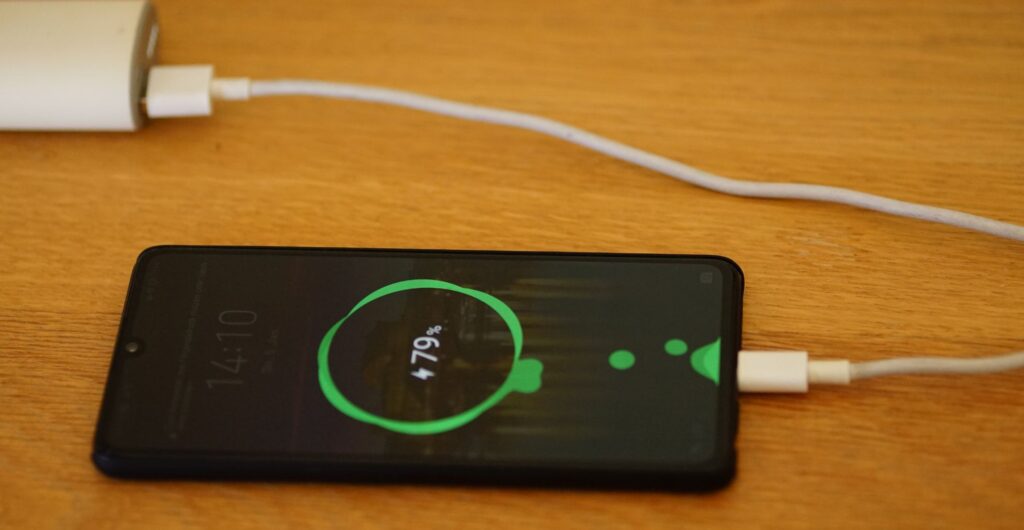
The Truth About Fast Charging is simpler than most people think. Modern smartphones are designed to handle fast charging safely through advanced technologies like USB Power Delivery, Qualcomm Quick Charge, and intelligent battery management systems. These systems control how power is delivered to your phone battery, preventing overheating and protecting long-term health.
Fast charging works by delivering higher wattage during the early phase of charging, which cuts charging time dramatically before slowing down to preserve battery health. Contrary to common myths, fast charging itself does not destroy your battery. The real threats are heat, cheap chargers, poor charging habits, and excessive charge cycles. By using certified chargers, avoiding extreme temperatures, and keeping your battery between 20% and 80%, you can enjoy rapid charging without harming your device.
In this guide, we will break down the science behind fast charging, the myths surrounding it, how modern chargers protect your device, and practical safe fast charging tips recommended by professionals at iRepair Mobiles UK, one of the best mobile phone repair and accessories shops in the UK.
To understand the Truth About Fast Charging, it helps to imagine how electricity flows into your phone.
Traditional charging is similar to filling a bucket with a garden hose. The regular charger slowly pours energy into the battery, delivering power at a slow, steady rate. It works, but it takes time.
Now compare that to fast charging.
Fast charging acts more like a pressure washer. Instead of trickling energy slowly, it delivers energy quickly by increasing the wattage supplied to the device.
This method of providing power dramatically boosts charging speed.
For example:
| Device | Typical Charging Speed |
|---|---|
| Older iPhone Chargers | 5W |
| Modern iPhone Fast Charging | Up to 20 watts |
| Flagship Android Phones | 45W – 120W+ |
Not long ago, waiting for an iPhone charge felt like watching paint dry. A 5W charger was the standard.
Nowadays, that is the bare minimum.
According to Apple, modern iPhones support 20W fast charging, while many flagship Android devices are playing in a completely different league.
Phones like the Xiaomi 13 Pro or Realme GT Neo 5 can reach astonishing charging speeds of 100W or even 150W, allowing them to go from 0 to 100 percent in roughly 20 minutes.
But here is the important twist.
Your phone does not provide maximum power the entire time you charge it.
Instead, the charging process starts strong, delivering energy quickly until about 50 percent, then gradually slows down.
This design is intentional and protects your battery.
Behind every fast charging system is something called the charging curve.
This is a strategic power delivery plan designed to protect the battery while still charging the phone quickly.
When you plug your phone into a fast charger, it initially draws maximum wattage.
Between 0% and 50% battery, the charger operates at peak output. That is why you see impressive progress within the first 10 to 20 minutes.
But once the battery reaches about 80%, the system automatically reduces the power flow.
This slowdown prevents heat buildup, which is one of the greatest threats to battery lifespan.
Inside the phone, a power management chip constantly adjusts voltage and current hundreds of times per second.
This prevents overheating, reduces battery stress, and keeps the device safe.
Another common fear is overcharging overnight.
Modern smartphones completely prevent this. Once the battery reaches full capacity, the system switches to trickle charging, supplying tiny amounts of power only when necessary.
Despite what many people believe, fast charging battery lifespan issues are largely exaggerated.
The real culprits are much simpler.
| Battery Killer | Why It Damages Batteries |
|---|---|
| Overheating | Heat accelerates chemical degradation inside lithium cells |
| Cheap Chargers | Poor voltage regulation causes unstable charging |
| Deep Discharges | Constantly draining below 20% stresses battery cells |
Heat is the public enemy number one for lithium batteries.
Excessive heat speeds up chemical reactions inside the battery, causing gas development, swelling, and reduced capacity.
Using an original vs cheap charger can make a massive difference.
Low-quality chargers lack the safety circuits needed to regulate voltage and current.
This increases the risk of unstable power delivery.
Repeatedly letting your phone drop below 20 percent battery causes unnecessary stress on battery cells.
This also increases the number of smartphone charge cycles, which naturally reduce battery capacity over time.
Old chargers were essentially dumb power bricks.
They simply delivered electricity without communicating with the device.
Today’s chargers are far smarter.
Modern charging technologies include:
• USB Power Delivery (PD)
• Qualcomm Quick Charge
• PPS adaptive charging
• VOOC fast charging
These systems create a balancing act between speed and safety.
The charger and phone constantly negotiate power levels.
If the device becomes hot, the charger automatically reduces power flow.
One major breakthrough in recent years is Gallium Nitride (GaN) technology.
GaN chargers are:
• Smaller
• More efficient
• Produce less heat
• Deliver higher wattage
This is why modern 100W chargers can now fit inside small compact adapters.
There are many myths surrounding fast charging.
Let’s clear up a few of them.
| Myth | Reality |
|---|---|
| Fast charging kills batteries | Modern phones are designed for it |
| Charging overnight damages batteries | Phones stop charging at 100% |
| Only original chargers are safe | Certified third-party chargers are safe |
| Slow charging is always better | Not necessarily with modern devices |
As long as you use certified chargers and avoid extreme heat, fast charging is completely safe.
At iRepair Mobiles UK, we regularly see phones damaged by poor charging habits rather than fast charging itself.
Here are a few safe fast charging tips our technicians recommend.
Always buy chargers with safety certifications such as:
• USB-IF
• CE
• FCC
These certifications ensure proper voltage regulation and thermal protection.
Gaming or streaming while charging generates additional heat.
Let your phone charge without heavy activity whenever possible.
This is widely known as the battery health sweet spot.
Keeping the battery in this range reduces wear from charge cycles.
Heat and cold both damage lithium batteries.
Always charge your device in a cool indoor environment.
If you want the best fast charger UK users can rely on, look for these features.
| Feature | Why It Matters |
|---|---|
| USB Power Delivery | Ensures compatibility with most smartphones |
| GaN Technology | More efficient and cooler charging |
| Smart Voltage Control | Prevents battery stress |
| Brand Certification | Ensures safety and quality |
Reliable brands invest heavily in thermal sensors, power regulation chips, and safety systems.
These features ensure the charger works with your phone rather than against it.
So what is the real Truth About Fast Charging?
Fast charging is not damaging your phone battery when used correctly.
Modern smartphones are designed to manage power intelligently, adjusting voltage, current, and charging speed automatically to protect the battery.
The real dangers come from cheap chargers, excessive heat, and poor charging habits.
By using certified accessories, avoiding extreme temperatures, and following basic safe fast charging tips, you can enjoy the convenience of fast charging without worrying about long-term battery damage.
At iRepair Mobiles UK, we always recommend investing in high-quality chargers and cables to ensure your phone stays healthy for years.
No. Modern fast charging systems are designed with thermal protection and intelligent power management to prevent battery damage.
Both are safe. Fast charging simply delivers higher wattage during early charging phases, reducing total charging time.
Fast charging can generate slightly more heat, but modern phones control this through smart charging systems.
Yes. Daily fast charging is safe as long as you use certified chargers and cables.
Yes. Low-quality chargers may deliver unstable voltage and current, increasing the risk of battery damage.
Subscribe for Newsletter
If you are coming from an iPhone 14 or older, the iPhone 17 is a genuine
Choosing the best screen protector UK isn’t as simple as picking the cheapest option on the
The Truth About Fast Charging is simpler than most people think. Modern smartphones are designed to
If you are weighing Refurbished vs Used Phones, here is the real-world difference in plain English:
Choosing the best phone charging cable UK buyers can rely on is not just about grabbing
If you are using a used Samsung Galaxy S9 Plus, proper care makes the difference between

