
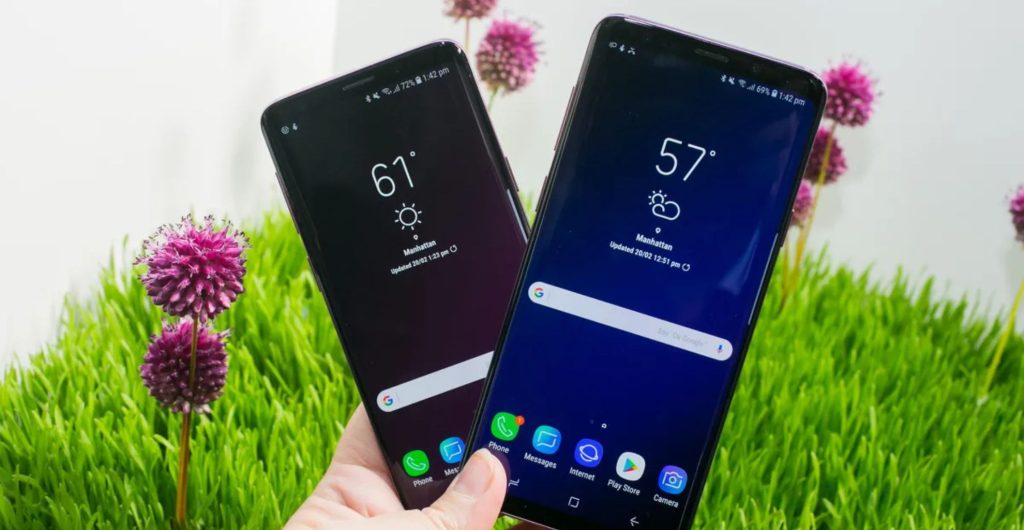
If you are comparing the Samsung Galaxy S9 Plus with newer Samsung phones like the Galaxy S10 and beyond, the decision is not as simple as old versus new. In this article, I break down real world differences in design, display, performance, camera, battery, audio, connectivity, and overall value. I also share my hands-on experience from years of repairing, selling, and testing Samsung devices at iRepair Mobiles UK. You will see where the S9 Plus still holds strong, where newer models clearly win, and whether the Samsung S9 Plus value still makes sense today. This guide is especially useful if you are deciding between a used S9 Plus vs new phone and want honest, practical advice rather than marketing hype.
Samsung did not radically change its design language between the S9 Plus and S10, but the differences are noticeable in hand.
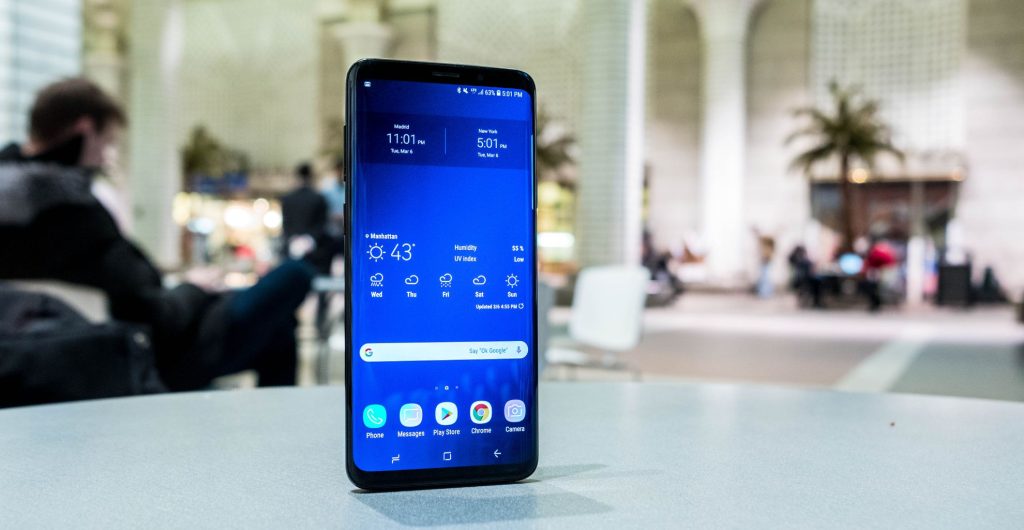
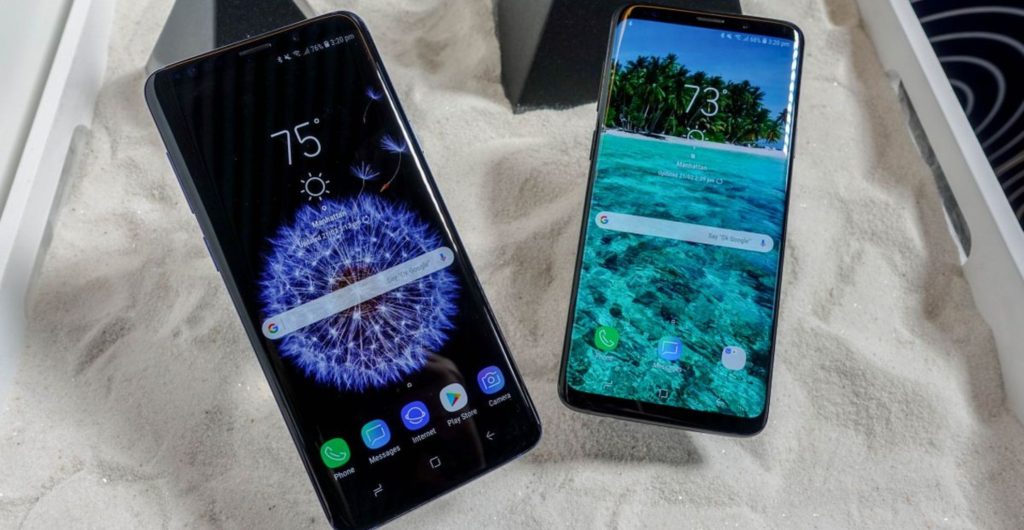
The Galaxy S9 Plus uses a glass back with a metal frame and a curved screen that still looks elegant today. The fingerprint scanner sits underneath the camera, which feels natural after a few days of use. The Galaxy S10 refines this look with slimmer bezels and a more modern appearance. It feels slightly longer but thinner in hand.
Here is a simple size and build comparison.
| Feature | Galaxy S9 Plus | Galaxy S10 |
|---|---|---|
| Dimensions | 158.1 x 73.8 x 8.5 mm | 157.6 x 74.1 x 7.8 mm |
| Weight | 189 g | 175 g |
| Build | Glass back, metal frame | Glass back, metal frame |
| Water Resistance | IP68 | IP68 |
Both phones are rugged and water resistant. In repairs, I have seen both survive accidental drops and water exposure when cases were used. From a repairability standpoint, neither is easy, but the S9 Plus still scores decently with a French Repairability Index of around 5.7.
This is where Samsung has always dominated. The Galaxy S9 Plus features a 6.2 inch Super AMOLED display with a QHD+ resolution and an 18.5:9 aspect ratio. Colors are deep, blacks are true, and brightness is still excellent for outdoor use.
The Galaxy S10 pushes things slightly further with a 6.4 inch Dynamic AMOLED display, HDR10+ support, and slimmer bezels. Pixel density is slightly higher on the S9 Plus at around 529 ppi compared to the S10’s 550 ppi, but in real life, the difference is almost impossible to notice.
| Display Feature | Galaxy S9 Plus | Galaxy S10 |
|---|---|---|
| Size | 6.2 inch | 6.4 inch |
| Resolution | 2960 x 1440 | 3040 x 1440 |
| Technology | Super AMOLED | Dynamic AMOLED |
| Protection | Gorilla Glass 5 | Gorilla Glass 6 |
In daily use, both displays are stunning. Many customers upgrading from mid-range phones are still blown away by the S9 Plus screen.
Performance is one area where age starts to show. The Galaxy S9 Plus runs on the Exynos 9810 or Snapdragon 845, while the Galaxy S10 uses the newer Exynos 9820 or Snapdragon 855. The difference is clear in benchmarks and multitasking.
| Benchmark | Galaxy S9 Plus | Galaxy S10 |
|---|---|---|
| AnTuTu | ~415,000 | ~467,429 |
| Geekbench Single | 559 | 741 |
| Geekbench Multi | 1840 | 2317 |
| GPU | Mali-G72 | Mali-G76 |
In real-world terms, the S9 Plus still handles social media, calls, browsing, and streaming without issues. Where it struggles is heavy gaming and long-term software updates. The S10 feels faster, smoother, and more efficient thanks to its smaller, more advanced chipset.
Camera quality is one of the biggest reasons people consider an upgrade. The Galaxy S9 Plus uses a dual camera setup with a 12 MP main sensor and a telephoto lens. It introduced variable aperture, which was impressive at the time.
The Galaxy S10 adds an ultra-wide lens and improves low-light performance. Night mode, faster focusing, and better video stabilization give the S10 a noticeable edge.
| Camera Feature | Galaxy S9 Plus | Galaxy S10 |
|---|---|---|
| Rear Cameras | Dual | Triple |
| Main Sensor | 12 MP | 12 MP |
| Ultra-wide | No | Yes |
| Video | 4K at 60 fps | 4K at 60 fps |
| Front Camera | 8 MP | 10 MP |
For casual photography, the S9 Plus still takes sharp and vibrant photos. For anyone serious about photography or social media content, the S10 is the better choice.
Battery health is a common concern with older phones. The Galaxy S9 Plus comes with a 3500 mAh battery, while the Galaxy S10 steps up to around 4100 mAh.
In my experience, a refurbished S9 Plus with a replaced battery performs well for a full day of moderate use. However, newer phones manage power more efficiently.
| Battery Feature | Galaxy S9 Plus | Galaxy S10 |
|---|---|---|
| Capacity | 3500 mAh | 4100 mAh |
| Fast Charging | Yes | Yes |
| Wireless Charging | Yes | Yes |
| Reverse Charging | No | Yes |
One area where the Galaxy S9 Plus still shines is audio. It has stereo speakers tuned by AKG and a 3.5 mm headphone jack. Many customers still value this, especially those using wired headphones.
The Galaxy S10 also keeps the headphone jack and improves Bluetooth audio support with codecs like LDAC and aptX HD. Sound quality is excellent on both, but neither feels outdated in this department.
Connectivity differences matter more today than ever. Both phones support 4G LTE, Wi-Fi ac, and Bluetooth 5. The Galaxy S10 benefits from faster LTE speeds and better Wi-Fi stability.
Neither device supports true 5G in standard models, which is something to consider if future-proofing matters to you.
This is where the Samsung S9 Plus value becomes very interesting. A refurbished Galaxy S9 Plus can now be found at a fraction of its original price, often under £150 depending on condition.
| Model | Average Used Price |
|---|---|
| Galaxy S9 Plus | £100 to £150 |
| Galaxy S10 | £180 to £250 |
For users on a budget, the used S9 Plus vs new phone comparison often favors the S9 Plus. You get a premium build, excellent display, solid camera, and flagship feel for a very low cost.
The Galaxy S10 is clearly better on paper. It offers improved performance, better cameras, longer software support, and slightly better battery life. However, the S9 Plus is not obsolete. It is refined, reliable, and still capable for everyday tasks.
If you value price, the S9 Plus still makes sense. If you want longevity and performance, the S10 is the smarter upgrade.
From customer feedback at iRepair Mobiles UK, the Galaxy S9 Plus still scores highly for build quality and display quality. Performance and battery life receive mixed reviews, mostly due to aging batteries rather than poor design.
Many users have comfortably used the S9 Plus for three to four years. With proper refurbishment, it can still deliver a smooth and comfortable experience.
Both phones offer generous storage options and attractive color choices.
| Feature | Galaxy S9 Plus | Galaxy S10 |
|---|---|---|
| Storage | 64 GB, 128 GB | 128 GB, 256 GB |
| Expandable | Yes, microSD | Yes, microSD |
| Colors | Black, Blue, Purple | Black, White, Green, Pink |
So, is the Samsung Galaxy S9 Plus still worth buying? Yes, if you want premium quality at a low price and do not need the latest features. The Samsung S9 Plus vs S10 debate really comes down to budget and expectations.
At iRepair Mobiles UK, we still recommend the S9 Plus for light to moderate users who want value. For power users, photographers, and those thinking long-term, the S10 is the better choice.
Subscribe for Newsletter

Choosing the right phone case is not just about looks. It is about finding the right
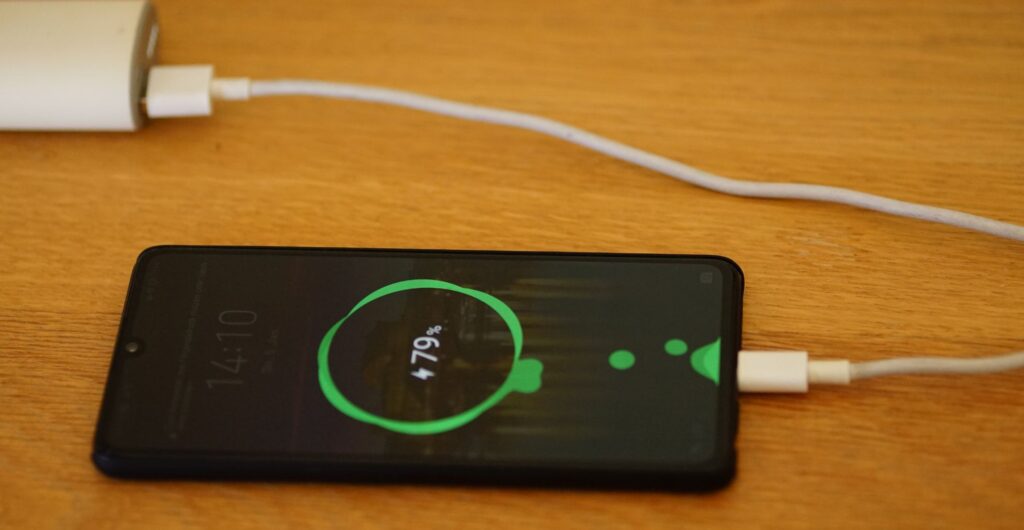
The Truth About Fast Charging is simpler than most people think. Modern smartphones are designed to
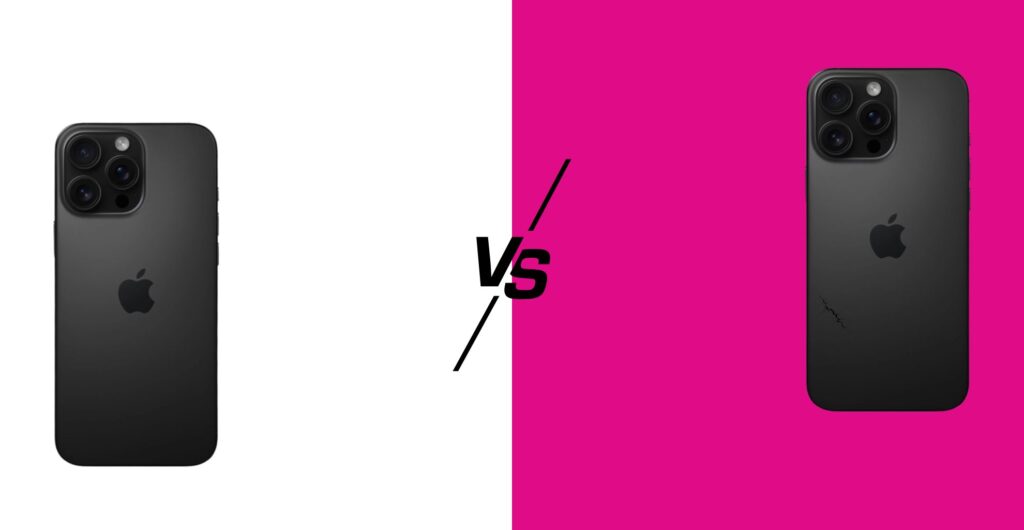
If you are weighing Refurbished vs Used Phones, here is the real-world difference in plain English:
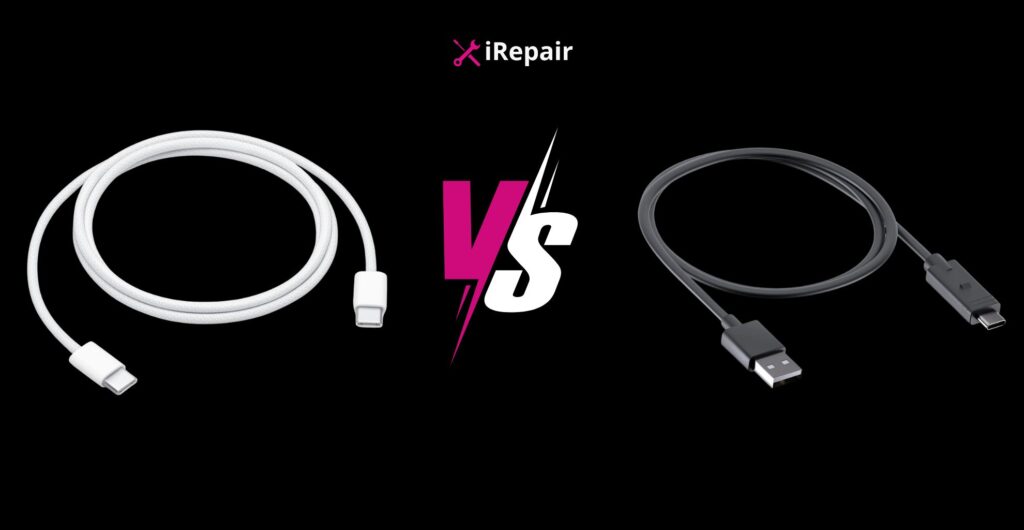
Choosing the best phone charging cable UK buyers can rely on is not just about grabbing
If you are using a used Samsung Galaxy S9 Plus, proper care makes the difference between
Even in 2026, the Samsung Galaxy S9 Plus continues to hold a surprising amount of love

